Guffaw: A Playful Display Font for Handmade Products and Creative Projects
When you run a small shop or craft business, every detail matters. The fonts you choose are not just letters—they are part of your brand identity, your product presentation, and the emotional connection you build with your customers. I have spent countless hours testing fonts for my own handmade labels, stickers, and printable templates, and I know how hard it is to find a typeface that balances charm with practical usability. That is why I was genuinely excited to get my hands on Guffaw, a display font that brings a playful, pixel-perfect energy to any project. If you create physical products, digital downloads, or anything in between, this is a font worth knowing.
What Makes Guffaw Stand Out in the World of Display Fonts
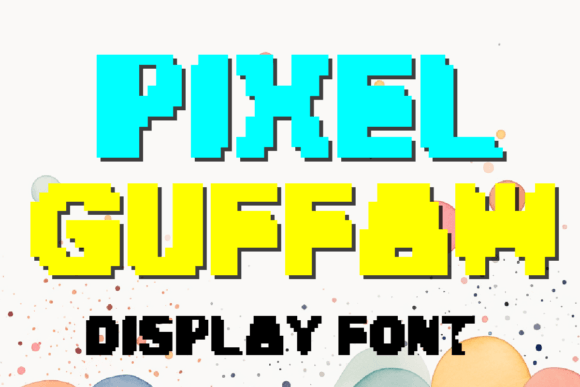
Guffaw is not just another pretty typeface. It is a complete uppercase font that includes 26 capital letters and 10 numbers from 0 to 9, designed to bring a joyful, whimsical feel to your work. The character shapes feel carefully crafted, with a playful charm that makes each letter feel alive. The term "pixel-perfect creativity" in the description is spot on—this font has a clean, crisp look that works beautifully in digital formats and on printed products. Whether you are designing a sticker sheet, a greeting card, or a product label, Guffaw adds a touch of personality without sacrificing readability. It is a display font through and through, meaning it shines in headlines, titles, short phrases, and decorative wording rather than long paragraphs. For crafters and small shop owners, that is exactly where we need our fonts to perform best.
Practical Ways to Use Guffaw in Your Handmade Products
One of the first things I did with Guffaw was test it on a set of candle labels for my shop. The font's playful uppercase letters gave the labels a warm, inviting feel that customers immediately responded to. I have also used it for birthday invitations, farmhouse-style signs, and boutique product tags. The font works exceptionally well for short phrases like "Happy Birthday," "Thank You," "Handmade with Love," or "Fresh Baked." Because it is an all-caps font, it maintains a consistent visual rhythm that looks polished and intentional. If you sell printables, Guffaw is a natural choice for wall art quotes, planner covers, and gift tags. For Cricut or Silhouette users, the clean letterforms cut cleanly on vinyl, cardstock, and adhesive foil, making it ideal for tote bags, mugs, shirts, and home decor signs. I have also used it for wedding welcome boards and seasonal holiday packaging, and it always delivers that friendly, approachable feel that handmade buyers love.
How Guffaw Elevates Product Presentation and Brand Consistency
Your font choice directly affects how customers perceive your product quality. A well-chosen display font like Guffaw signals that you care about the details. When you use it consistently across your product labels, packaging, tags, and social media graphics, it builds a cohesive brand identity that customers recognize and trust. The playful charm of Guffaw works especially well for shops that sell children's products, party supplies, gifts, or home decor with a lighthearted aesthetic. It also pairs beautifully with a clean sans serif font for body text or contact information on labels and tags. For example, I use Guffaw for the product name on my candle labels and a simple sans serif for the scent description and ingredients. That contrast creates a professional, layered look that feels designed rather than thrown together. The emotional appeal of a font like Guffaw is real—it makes people smile, and that connection often translates into repeat purchases and word-of-mouth recommendations.
Readability and Practical Considerations for Cutting Machines and Small Products
One concern I always have with display fonts is how well they read at small sizes, especially on stickers, labels, or cut files. Guffaw performs well in this regard. The uppercase letters are distinct and well-spaced, which helps maintain legibility even when scaled down for a small product tag or a mini sticker. That said, I recommend using Guffaw for primary text elements like names, titles, or short phrases rather than for long descriptions. For cutting machines, I have tested it on both Cricut and Silhouette platforms, and the letterforms cut cleanly without excessive weeding issues. The font's straightforward shapes mean you can size it up for a large vinyl sign on a tote bag or size it down for a tiny thank-you sticker without losing the design integrity. Always test a sample cut before committing to a large production run, but Guffaw has been reliable in my own shop.
Font Pairing Ideas to Make Guffaw Shine
Pairing Guffaw with complementary fonts can elevate your designs even further. Because Guffaw has a playful, uppercase display personality, it works best when paired with a simpler, more neutral font for secondary text. Here are a few pairing ideas that I have used successfully in my own products:
- Guffaw with a clean sans serif font: Use Guffaw for the main headline or product name and a modern sans serif for details, ingredients, or instructions. This combination is clean, readable, and professional.
- Guffaw with a simple serif font: For a more classic or farmhouse feel, pair Guffaw with a straightforward serif. The contrast between playful and traditional creates visual interest without clutter.
- Guffaw with a handwritten font: If you want an even more handcrafted look, use Guffaw for the main title and a gentle handwritten font for a subheading or accent. This works well for greeting cards, wall art, and boutique tags.
- Guffaw with a bold display font: For projects that need extra impact, consider pairing Guffaw with another bold display font that has a different weight or style. Use one for the main word and the other for a supporting phrase.
When pairing fonts, remember to keep the overall design balanced. Guffaw is naturally eye-catching, so give it room to breathe. Leave enough white space around your main text, and use your secondary font sparingly to support rather than compete with the headline.
What to Check in the Font Files Before You Start Designing
Before you dive into your next project, take a moment to review what is included in the Guffaw font package. The description mentions 26 capital letters and 10 numbers, which means this is an uppercase-only font. That is a common and intentional choice for display fonts, but it is important to know so you can plan your designs accordingly. If you are creating a product that needs lowercase letters or extended punctuation, you may need to pair Guffaw with another font for those elements. Check whether the package includes any alternates, ligatures, or swashes—these can add extra personality to your designs if they are available. Also verify the file formats (such as OTF, TTF, or WOFF) to ensure compatibility with your design software and cutting machine programs. If you sell digital templates or SVG designs, having the right file format is essential for your customers to use the font easily. Finally, check the multilingual support if you serve customers in different languages or regions, as this can expand your product offerings.
Commercial Licensing: What You Need to Know for Selling Physical Products and Digital Downloads
Commercial licensing is one of the most important considerations for any crafter or small shop owner using fonts in products for sale. When you purchase a font like Guffaw, you are typically buying a license that outlines how you can use it commercially. Most font licenses for craft use allow you to use the font on physical products you sell, such as labels, stickers, mugs, shirts, tote bags, signs, invitations, and packaging. Some licenses also cover digital products like printable templates, SVG designs, and digital downloads, but the terms vary. Always read the specific license agreement that comes with your font purchase. If you plan to use Guffaw for client work, such as designing logos, wedding invitations, or branding materials for other businesses, make sure the license covers that use as well. Some font licenses require an extended license for certain commercial applications, especially for large-scale production, digital templates, or merchandise with the font as a primary design element. Investing in the right license protects your business and ensures you can use the font confidently for years to come. I always keep a folder with my font licenses and receipts so I have clear documentation for every typeface I use in my shop.
Making Guffaw a Core Part of Your Creative Workflow
Once you start using Guffaw, you will likely find yourself reaching for it again and again. It has a way of making projects feel more finished and more fun. I keep it loaded in my design software for quick access, and I have built several product templates around it. Because it is a display font, I use it for the elements that need to grab attention—product names, headings, decorative phrases, and branding text. For my own shop, Guffaw has become a go-to for seasonal collections, limited edition products, and any item that needs a touch of whimsy. If you sell on Etsy, at craft fairs, or through your own website, this font can help your products stand out in a crowded market. The playful charm of Guffaw is not just a design choice—it is a business asset that helps your customers feel the personality behind your brand. And in the handmade market, that personal connection is everything.